

Table of Contents
Proper supervision is key
One of the most important safety tips for babysitters is to provide proper supervision at all times. Children are curious and can get into mischief in the blink of an eye, so it’s essential to keep a close eye on them. Make sure you are within arm’s reach when young children are in or near water, such as a pool or bath. When playing outside, always keep an eye on the children to ensure they stay safe and out of harm’s way. It’s also crucial to establish and enforce rules for behavior and activities to prevent accidents and injuries.
Be prepared for emergencies
Another critical safety tip for babysitters is to be prepared for emergencies. Before the parents leave, make sure you have a list of emergency contacts, including phone numbers for the parents, a neighbor, and emergency services. Familiarize yourself with the layout of the house, including the location of fire extinguishers, first aid kits, and emergency exits. It’s also a good idea to know basic first aid and CPR in case of an emergency. Taking a CPR certification course can provide you with the skills and confidence to act quickly and effectively in a crisis.
Childproof the environment
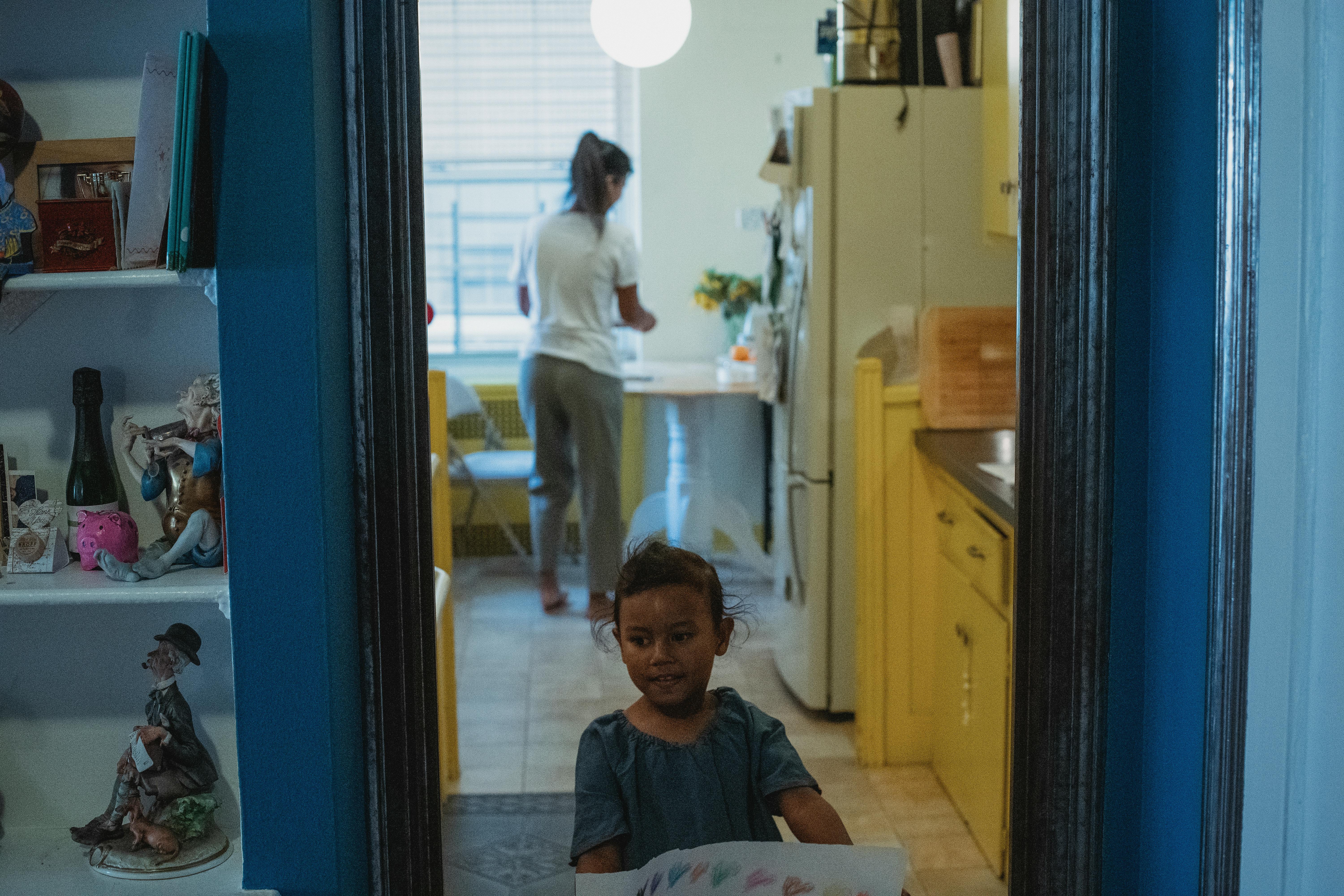
Childproofing the environment is essential for keeping children safe while babysitting. Take the time to remove or secure potential hazards, such as sharp objects, choking hazards, and toxic substances. Make sure all electrical outlets are covered, cabinets are locked, and furniture is stable. Keep cleaning supplies, medications, and other dangerous items out of reach of children. It’s also important to be mindful of potential dangers outside the home, such as busy streets or unfenced pools. By creating a safe and secure environment, you can prevent accidents and injuries from occurring.
Implement safe sleep practices
When babysitting infants and young children, it’s important to implement safe sleep practices to reduce the risk of Sudden Infant Death Syndrome (SIDS) and other sleep-related incidents. Always place babies on their backs to sleep in a crib with a firm mattress and tight-fitting sheet. Avoid placing blankets, pillows, stuffed animals, or other soft bedding in the crib, as these items can pose a suffocation hazard. Make sure the crib meets current safety standards and is free of loose or missing parts. Additionally, never leave a sleeping child unattended or in the care of another child.
Communicate effectively with parents
Effective communication with parents is key to a successful and safe babysitting experience. Before the parents leave, make sure you have a clear understanding of their expectations, rules, and routines. Ask for important information about the children, such as allergies, medications, and bedtime routines. Keep the parents updated throughout the evening with texts, calls, or photos to let them know how their children are doing. Be honest and transparent about any issues or concerns that arise, and always follow the parents’ instructions and guidelines. By maintaining open and effective communication, you can ensure a positive and safe babysitting experience for everyone involved.
In conclusion, babysitting can be a fun and fulfilling job, but it also requires a great deal of responsibility and attention to safety. By following the top 10 safety tips outlined in this article, you can help ensure a safe and enjoyable experience for both you and the children in your care. Remember to provide proper supervision, be prepared for emergencies, childproof the environment, implement safe sleep practices, and communicate effectively with parents. With these safety tips in mind, you can be a confident and capable babysitter who prioritizes the well-being and safety of the children in your care.


