

Table of Contents
Safe Sleep Practices
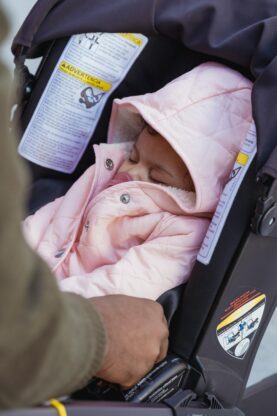
One of the most important safety procedures for babysitters to be aware of is safe sleep practices. It is crucial that infants and young children are put to sleep in a safe environment in order to reduce the risk of Sudden Infant Death Syndrome (SIDS). Babysitters should always place babies on their backs to sleep, ensure that the sleep area is free of loose bedding or toys, and avoid covering a baby’s head while they sleep. Additionally, it is important to make sure that the crib or bassinet meets current safety standards and is in good condition.
On-Demand Childcare in Your Neighborhood
Book a Sitter
Emergency Procedures
In the event of an emergency, babysitters need to be prepared to respond quickly and appropriately. It is important for babysitters to know the location of emergency exits in the home, as well as how to contact emergency services. Babysitters should also have a list of emergency contact numbers provided by the parents, including the child’s pediatrician and poison control. It is crucial for babysitters to know basic first aid procedures and CPR in case of an emergency situation.
Childproofing
Childproofing is an essential safety procedure that babysitters must be familiar with in order to prevent accidents and injuries. Babysitters should take the time to childproof the home before the parents leave, paying special attention to areas where the child will be spending time. This includes securing cabinets and drawers with childproof locks, covering electrical outlets, and removing any small objects that could pose a choking hazard. It is also important to keep cleaning supplies and medications out of reach of children.

First Aid and CPR
Being knowledgeable about first aid and CPR is essential for babysitters in case of an emergency situation. Babysitters should be trained in basic first aid procedures, such as treating minor cuts and burns, recognizing signs of allergic reactions, and responding to choking incidents. In addition, babysitters should be certified in CPR in order to provide lifesaving assistance in the event of a cardiac emergency.
It is recommended that babysitters take a formal first aid and CPR certification course in order to be fully prepared to handle emergencies.
Communication with Parents
Effective communication with parents is key to ensuring the safety and well-being of the children in a babysitter’s care. Babysitters should always ask parents for important information, such as emergency contact numbers, the child’s schedule and routine, any allergies or medical conditions, and the child’s bedtime routine. It is also important for babysitters to keep parents informed about how the child is doing while they are away, including any issues that arise or changes to the child’s routine. By maintaining open and clear communication with parents, babysitters can ensure that everyone is on the same page regarding the child’s care and safety.
In conclusion, babysitting is a rewarding job that comes with a great deal of responsibility. By following these essential safety procedures, babysitters can help ensure the safety and well-being of the children in their care. Safe sleep practices, emergency procedures, childproofing, first aid and CPR, and communication with parents are all crucial components of providing excellent care for children. By being knowledgeable and prepared, babysitters can provide peace of mind to both parents and children alike.