

Table of Contents
When babysitting, safety should always be the top priority. Ensuring the well-being and security of the children under your care is essential in preventing accidents and effectively handling emergencies. By following these top 10 safety guidelines, babysitters can provide a safe and nurturing environment for the children they look after.
Creating a Safe Environment
Creating a safe environment is essential when babysitting. This includes ensuring that the space is childproofed to prevent accidents. Make sure that dangerous items such as chemicals, sharp objects, and choking hazards are out of reach of children. Keep doors locked, and supervise children closely, especially around hazardous areas like the kitchen or stairs. Additionally, make sure that the home has working smoke detectors, fire extinguishers, and first aid supplies readily available in case of emergencies.
On-Demand Childcare in Your Neighborhood
Book a Sitter
Emergency Preparedness
Babysitters should always be prepared for emergencies. Familiarize yourself with emergency contact numbers, such as the parents’ contact information, poison control, and emergency services. Have a list of the children’s allergies, medical conditions, and medications readily available. It’s also important to have a first aid kit on hand and to know how to administer basic first aid in case of accidents. Knowing CPR and how to perform the Heimlich maneuver can be life-saving skills in critical situations.

Safe Playtime Practices
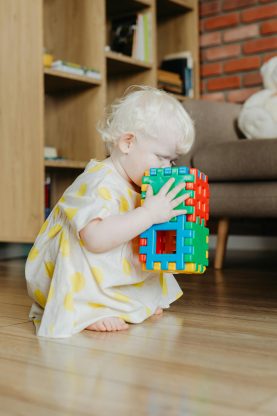
During playtime, it’s important to ensure that children are engaged in safe activities. Choose age-appropriate toys and games that do not pose a risk of choking or injury. Make sure that play areas are free of clutter and hazards. When playing outside, supervise children closely to prevent accidents such as falls, scrapes, or getting lost. Establish clear boundaries for play areas and ensure that children understand and follow safety rules while playing.
Interacting with Parents and Communication
Effective communication with parents is key to successful babysitting. Before the parents leave, make sure to discuss any specific instructions, routines, rules, or concerns they may have. Keep parents updated throughout the babysitting session by sending text messages, photos, or calls to reassure them that everything is going smoothly. If any issues or emergencies arise, communicate with parents immediately to seek guidance or authorization for necessary actions. Building a trusting and open relationship with parents is crucial for a positive babysitting experience.
In conclusion, safety should always be the top priority for babysitters. By following these top 10 safety guidelines, babysitters can provide a secure and nurturing environment for the children they care for. Creating a safe environment, being prepared for emergencies, practicing safe playtime activities, and maintaining effective communication with parents are all essential components of responsible and reliable babysitting.
By prioritizing safety and following these guidelines, babysitters can ensure a positive and rewarding experience for both themselves and the children they look after.