

Table of Contents
Physical Development
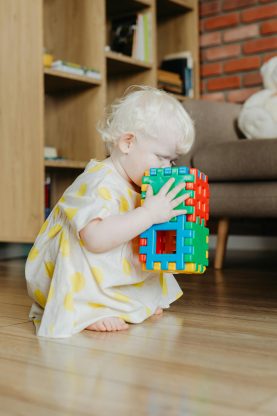
Physical development encompasses a child’s growth in terms of their gross and fine motor skills. Gross motor skills involve movements of the large muscles in the body, such as crawling, walking, running, and jumping. Fine motor skills, on the other hand, include more precise movements like picking up small objects, drawing, and using scissors. Babies typically reach physical milestones at a rapid pace during their first year, such as rolling over, sitting up, crawling, and eventually walking. As a babysitter, you can support physical development by providing opportunities for children to engage in activities that promote both gross and fine motor skills, such as playing with blocks, engaging in sensory play, and outdoor play.
On-Demand Childcare in Your Neighborhood
Book a Sitter
Cognitive Development
Cognitive development refers to a child’s ability to think, learn, and problem-solve. This includes skills such as memory, attention, perception, and reasoning. Children’s cognitive abilities grow rapidly during the early years, with significant developments in areas such as language acquisition, symbolic play, and understanding of cause and effect. Babysitters can support cognitive development by engaging children in activities that stimulate their thinking, such as reading books, solving puzzles, playing interactive games, and encouraging imaginative play.
Social and Emotional Development
Social and emotional development involves a child’s ability to form relationships, regulate their emotions, and understand the emotions of others. This includes skills such as empathy, cooperation, self-control, and conflict resolution. Children’s social and emotional skills develop through interactions with caregivers, peers, and the environment around them. Babysitters can support social and emotional development by creating a nurturing and responsive environment, modeling positive behaviors, teaching conflict resolution skills, and providing opportunities for children to practice sharing, taking turns, and expressing their emotions in healthy ways.
Language Development
Language development involves a child’s ability to communicate, understand, and use language. This includes skills such as listening, speaking, reading, and writing. Children begin to develop language from birth, with significant milestones in areas such as babbling, first words, combining words into sentences, and understanding complex language.

Babysitters can support language development by engaging children in conversations, reading books together, singing songs, playing word games, and providing opportunities for children to practice expressing themselves verbally.
Tips for Supporting Child Development
In addition to understanding the key milestones in child development, there are several tips for babysitters to help support children’s growth and development
Provide a safe and nurturing environment where children feel comfortable exploring, playing, and learning.
2. Encourage children to engage in a variety of activities that promote physical, cognitive, social, and emotional development.
3. Be patient and supportive, allowing children to progress at their own pace and offering help when needed.
4. Model positive behaviors and communication skills, as children learn by observing and imitating others.
5. Communicate with parents about children’s development and any concerns or observations you may have.
By understanding child development milestones and following these tips, babysitters can play a valuable role in supporting children’s growth and development. It is important to remember that every child is unique and may reach milestones at their own pace. Being observant, flexible, and responsive to children’s needs will help you create a positive and enriching caregiving experience for the children in your care.